Is cider gluten-free?
"Cider" means two different things depending on context, and both are gluten-free in almost every case: apple cider vinegar, a pantry ingredient, and hard cider, the alcoholic drink. Here's the answer for each.
Apple cider vinegar
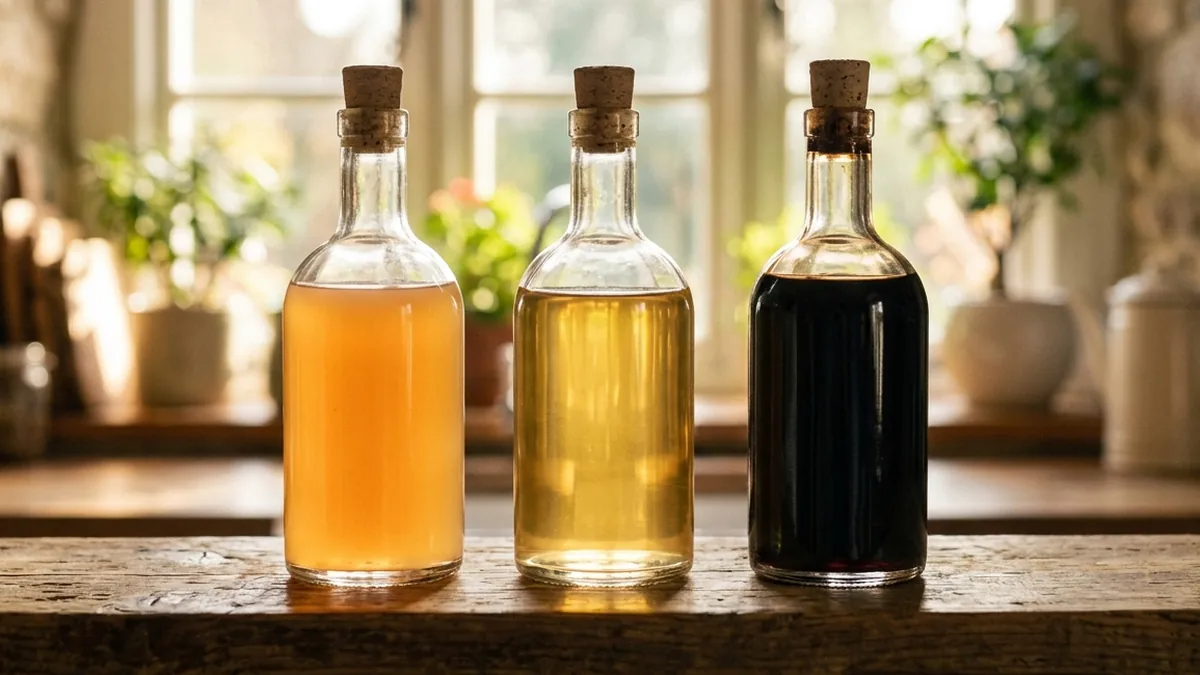
Yes, always. Apple cider vinegar is made by fermenting apple juice, not a gluten-containing grain, so the distillation question that applies to grain-based vinegars (covered on this site's vinegar page) doesn't even come up here. There's no malt-vinegar-style exception to watch for with apple cider vinegar the way there is with wheat or grain vinegar. Flavored or infused cider vinegars are the only case worth a label check, since added flavoring is where an ingredient could theoretically be introduced — but this is uncommon.
Hard cider (the alcoholic drink)
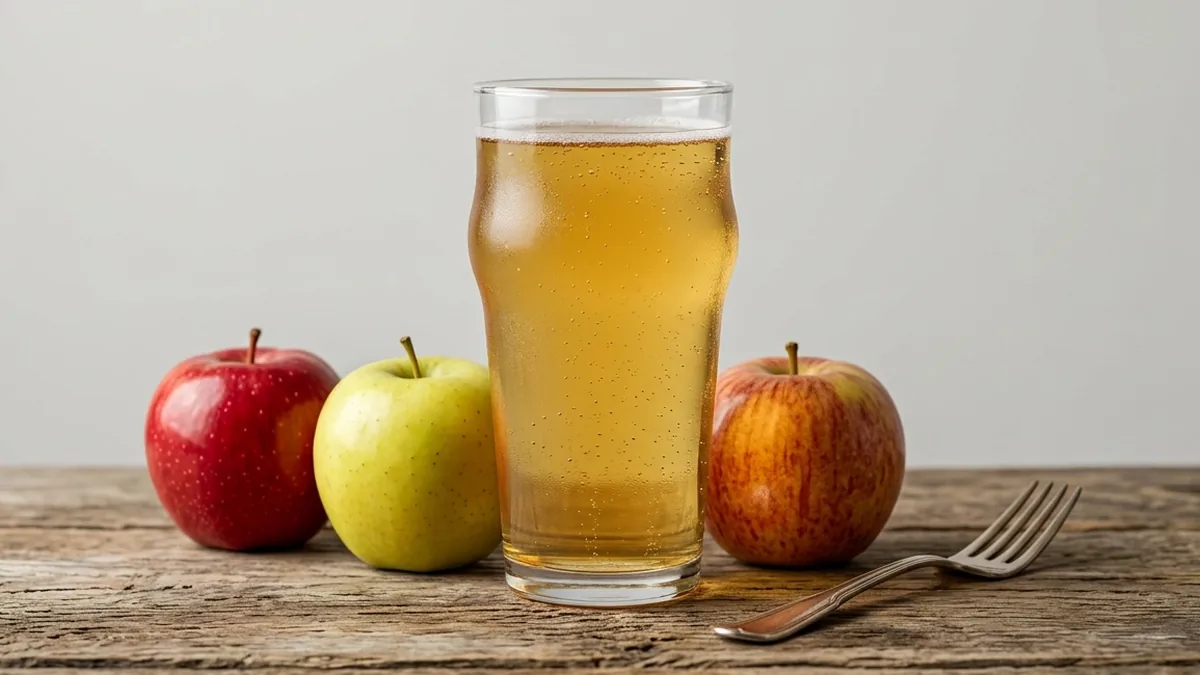
Yes, in most cases. Hard cider is made by fermenting apple (or sometimes pear) juice with yeast — apples, water, and yeast, occasionally with added sugar. None of that involves a gluten-containing grain, which is exactly why hard cider became a popular beer alternative for people avoiding gluten.
A few real exceptions to know:
- Flavored or hybrid ciders. A small number of specialty ciders add malt, barley, or hops to push the flavor closer to a beer-cider hybrid, sometimes called a "graf." These are uncommon but not gluten-free if malt or barley appears in the ingredient list.
- Products branded like cider that are actually flavored beer. Some drinks marketed alongside ciders, often in a similar-looking can, are technically an apple-flavored ale rather than a true cider — and an ale is made from barley like any other beer. The name and packaging alone won't tell you which one you're holding; check whether the ingredient list says "fermented apple juice" or lists a malted grain.
- Shared production with a brewery. If a cidery also brews beer on the same equipment, cross-contact is possible. Dedicated cider producers that don't make beer at all carry less of this risk.
- Barrel-aged ciders. Some specialty ciders are aged in used whiskey or beer barrels for flavor. Gluten transfer from a wood barrel into the finished cider is generally considered very low, though not quite zero — worth knowing if you're highly sensitive, not a reason for most people to avoid barrel-aged cider outright.
Practical guidance
Plain hard cider from a dedicated cidery is a safe default, and a good beer alternative for exactly this reason. Check the label specifically on anything flavored, anything from a shared beer-and-cider producer, or anything where "cider" might actually be describing a flavored ale rather than a true fermented-apple drink.
FAQ
Is all cider on tap at a bar actually cider? Not necessarily — some taps pour an apple-flavored ale under a cider-style name. If you need certainty, ask to see the can or check the ingredient list rather than relying on the tap handle alone.
Does barrel aging in a whiskey barrel make cider unsafe? Not meaningfully for most people. The gluten transfer from a used barrel is considered very low, though the strictest celiac drinkers sometimes avoid barrel-aged versions as a precaution.
Sources
- Beyond Celiac, "Is Cider Gluten-Free?"
- Beyond Celiac, "Is Beer Gluten-Free?" (for the shared malt/hybrid-cider distinction)