Contents
Are potatoes gluten-free?
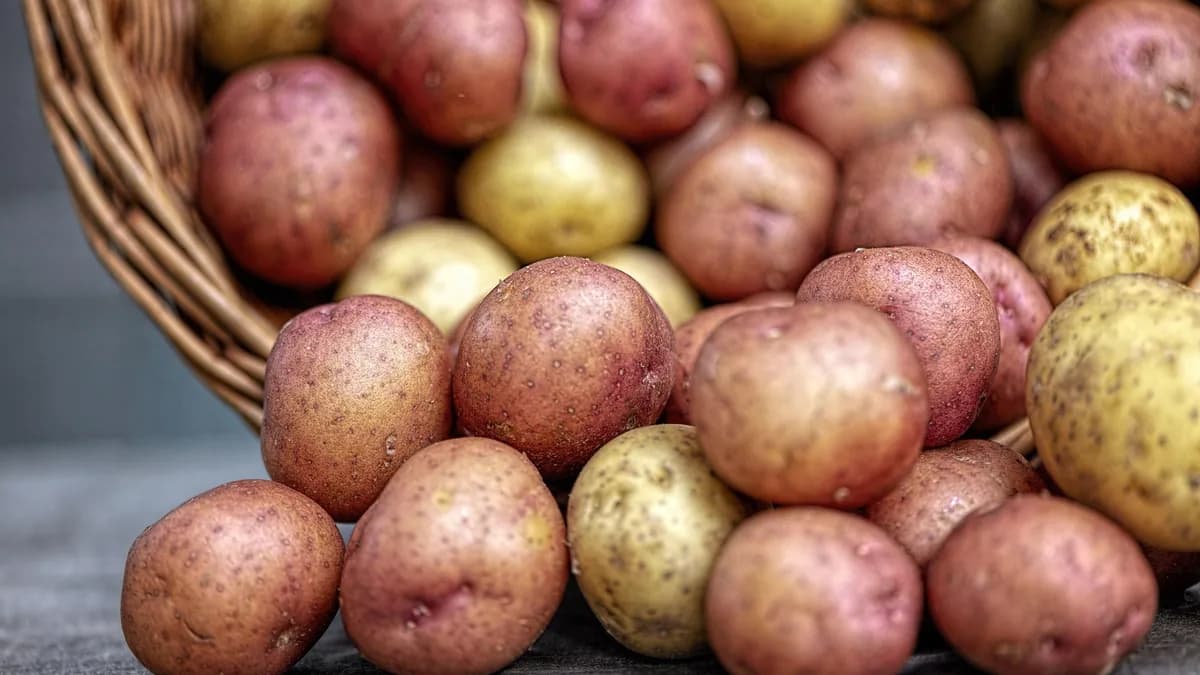
Yes. A potato is a root vegetable, not a grain, and contains no gluten in its plain, whole form — russet, Yukon gold, red, sweet potato, or otherwise. The risk with potatoes comes entirely from what's added or how they're cooked, never from the potato itself.
What actually introduces gluten
- Instant mashed potato mixes. Many use wheat flour or wheat-derived modified food starch as a thickener or binder. Check the label rather than assuming an instant mix is safe by default.
- Frozen potato products. Hash browns, tater tots, and seasoned wedges are sometimes coated in a wheat-based batter to add crispness. This isn't universal, but it's common enough to be worth a label check every time, not just the first time you buy a brand.
- Toppings and sauces. Gravy thickened with wheat flour, sour cream with a wheat-based stabilizer, or soy sauce and teriyaki glaze on roasted potatoes can all introduce gluten to an otherwise safe potato. The potato dish is often only as safe as what's poured over it.
- Seasoned potato chips. Some flavor coatings use gluten-containing spice blends or flavoring bases. Plain, unflavored chips are the lower-risk default.
Cooking method matters as much as ingredients
Boiling potatoes in water previously used for pasta, frying them in oil shared with battered or breaded foods, or cutting them on a board that's absorbed gluten from bread all count as cross-contact — this is the same mechanism covered in more detail on this site's french fries page, which has the specific research on shared-fryer contamination rates. Wooden cutting boards and utensils are a particular risk because gluten can lodge in surface cracks that don't fully wash clean.
Practical guidance
Fresh, plain potatoes you cook yourself are a safe default with essentially no risk. The moment a potato becomes an instant mix, a frozen shaped product, a chip, or a dish with a sauce or gravy, it's worth a label check or a specific question at a restaurant — not because the potato changed, but because everything added to it might not be gluten-free.
FAQ
Are sweet potatoes gluten-free too? Yes, for the same reason as regular potatoes — they're a root vegetable, not a grain.
Is potato flour gluten-free? Yes, and it's commonly used as a wheat flour substitute in gluten-free baking and as a sauce thickener.
Sources
- Beyond Celiac, "Are Potatoes Gluten-Free?"
- National Celiac Association, "Are potatoes gluten free?"