Contents
The short answer
It depends entirely on which kind.
Flour tortillas are made from wheat flour. They are not gluten-free and never can be, unless a manufacturer has specifically built a gluten-free product from alternative flours.
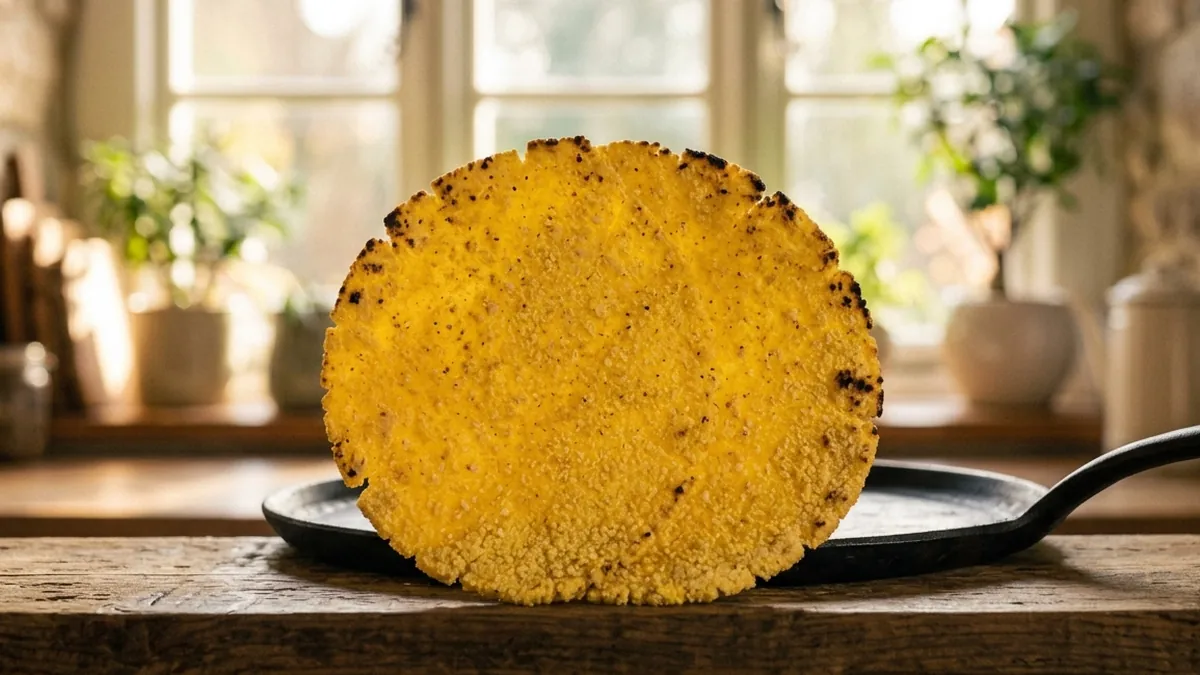
Corn tortillas are made from masa harina — corn treated with lime, then ground — plus water and salt. Corn contains no gluten, so a tortilla made of only those things is safe.
The complication is a third category that many people do not know exists: corn-and-wheat blends, sold as corn tortillas, that contain wheat flour to make them softer and more pliable. These are the ones that catch careful shoppers.
There is a fourth trap worth naming here too: spinach, tomato, and chili tortillas. The green and red wraps on the shelf look like a vegetable product and read as the healthier option, but they are almost always standard wheat flour tortillas with coloring added. The vegetable is a flavor and a color, not a change of grain.
What masa harina actually is
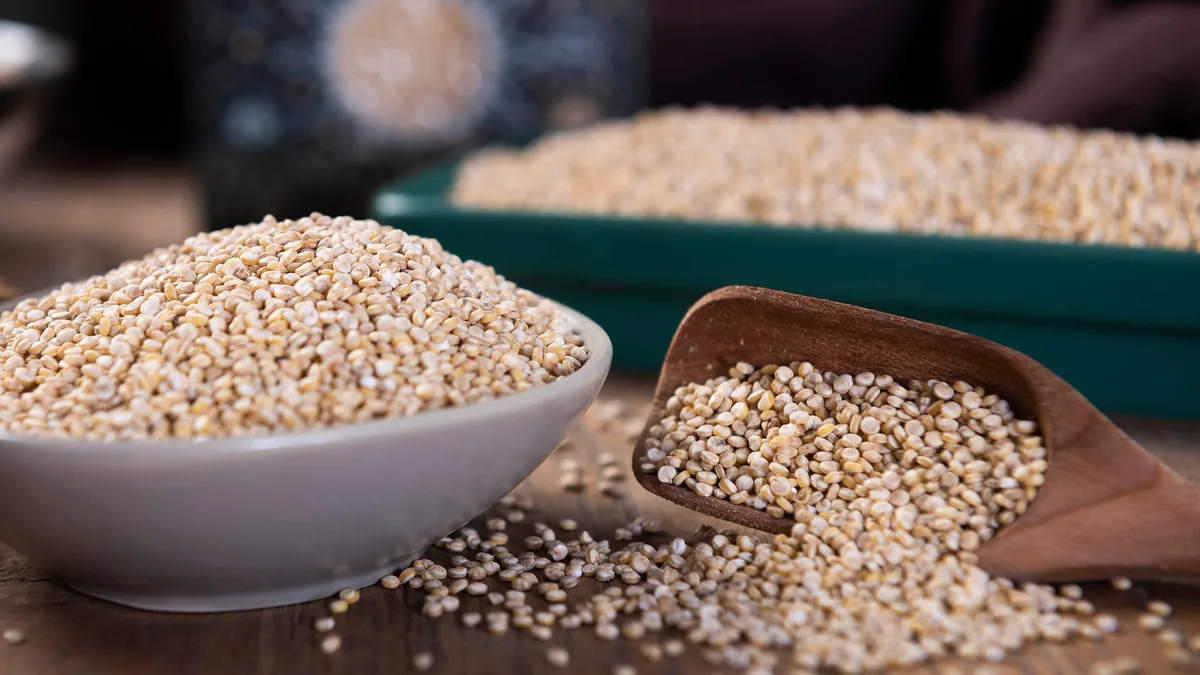
Masa harina is not the same as cornmeal or ordinary corn flour. The corn is soaked and cooked in an alkaline solution — traditionally limewater — in a process called nixtamalization, then ground. This changes the texture, the flavor, and the nutritional availability of the corn, and it is what allows the dough to hold together into a tortilla at all.
None of that involves wheat. The traditional product is three ingredients: masa harina, water, salt.
The blend problem
Corn tortillas tear. They are less pliable than flour tortillas, and they crack when rolled. Some manufacturers solve this by adding wheat flour to the mix.
These products are usually labeled honestly — "corn and flour tortillas," "blend," or similar — but the front of the package may say something much less specific. A package that says "made with corn" is not a statement that it contains only corn. Wheat is a mandatory allergen declaration in many markets, so if it is there it must appear in the ingredient list, which makes reading the list rather than the front of the package the whole game.
Cross-contact in production
Even a 100 percent corn tortilla can pick up gluten at the factory. Manufacturers that produce both corn and flour tortillas often run them through shared equipment and shared packaging lines, and flour dust travels.
This is a documented route to symptoms in people who were otherwise being careful — the ingredient list was clean and the product still caused a reaction.
For celiac disease, a third-party gluten-free certification is worth more than an ingredient list alone, because certification requires testing of the finished product rather than a review of what went into it.
This applies to the masa harina itself, not just to finished tortillas. A bag of dry masa harina bought for home use is a milled product like any other, and some mills grind corn on equipment that also grinds wheat. Making tortillas at home gives you control over the recipe, but it does not give you control over the flour — so the bag needs a gluten-free marking exactly as a packaged tortilla would.
Restaurants
Two things to know.
Say the word "corn." Ordering "tacos" without specifying will get you whatever the kitchen defaults to, and in many restaurants that is flour. Asking for corn tortillas by name is the single most useful habit here.
Corn tortillas share a griddle. In a kitchen making both, the same flat-top, the same tongs, and the same warming drawer handle both types. A corn tortilla warmed on a surface that just held a flour tortilla is no longer clean. This is worth asking about at a restaurant where you eat often.
Tortilla chips
Corn tortilla chips follow the same rules with one addition: they are fried, so the shared-fryer question applies, and flavored varieties carry seasoning blends that may contain wheat-derived ingredients.
In a restaurant this is worth thinking about concretely. The basket of chips that arrives free at the table came out of a fryer that very likely also handles churros, flour taquitos, chimichangas, and anything else battered on the menu — all of which are wheat. The chips themselves can be pure corn and still not be safe.
Plain corn chips from a certified brand are a reliable option. Flavored chips need the ingredient list read.
What to look for
- Ingredient list, not the front of the package — look for wheat flour in a product sold as corn
- Certified gluten-free marking for celiac disease, beyond a plain ingredient list
- In restaurants, ask for corn specifically, and ask about the griddle if it matters to you
- Homemade gives you the most control over the recipe — masa harina, water, salt, and a pan — provided the masa harina bag is itself certified
Frequently asked questions
Are all corn tortillas gluten-free?
No. Most are, but corn-wheat blends are sold widely and are labeled as corn products on the front of the package. Read the ingredient list every time you try a new brand.
Does the color of the corn matter?
No. White, yellow, and blue corn are all naturally gluten-free. The color reflects the variety of corn, not the presence of wheat.
Are flour tortillas ever gluten-free?
Standard flour tortillas are wheat and never are. Some manufacturers make gluten-free wraps from alternative flours, which are a different product sold specifically as gluten-free — not a variation on the standard item.
If you have celiac disease and are unsure whether a specific product is safe, check the label or contact the manufacturer.
Sources
- Beyond Celiac. Gluten-Free Diet: Is It Gluten-Free? https://www.beyondceliac.org/gluten-free-diet/is-it-gluten-free/ — accessed 20 July 2026
- Celiac Disease Foundation. Gluten-Free Foods. https://celiac.org/gluten-free-living/gluten-free-foods/ — accessed 20 July 2026