Contents
Is pizza gluten-free?
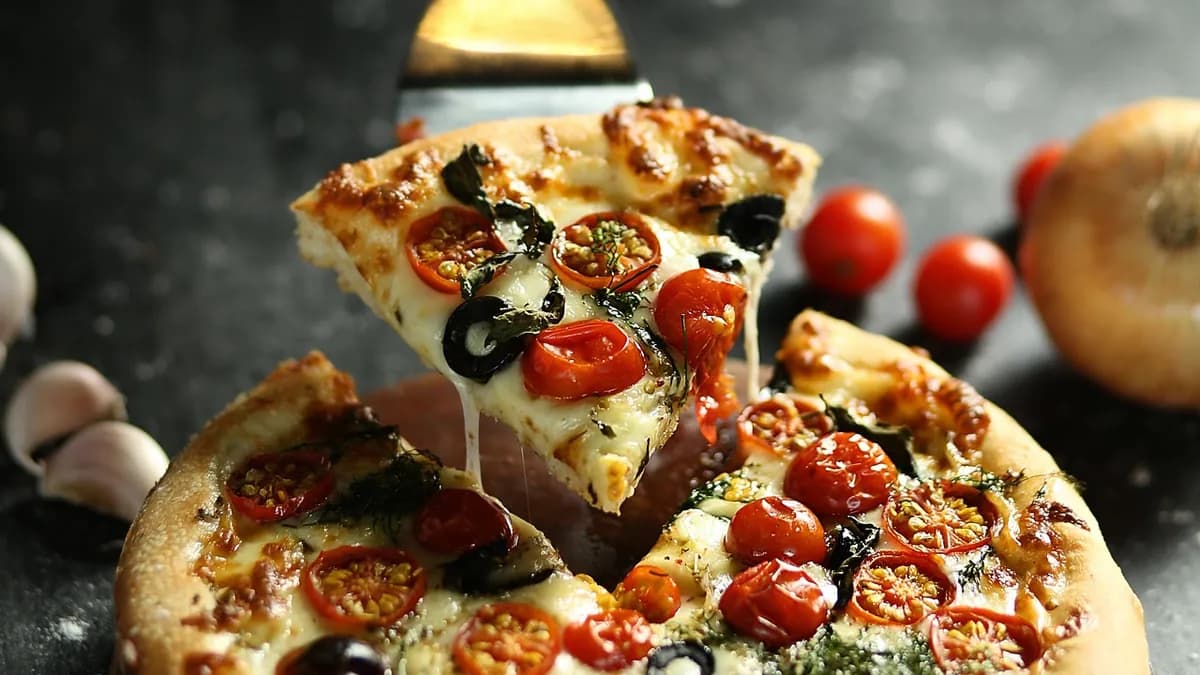
No, traditional pizza crust is wheat dough. Gluten-free crusts are widely available, but the crust is only half the question — how it's handled in the kitchen is the other half.
Why regular pizza isn't gluten-free
Standard pizza dough is flour, water, yeast, and salt, and the flour is wheat. There's no version of a traditional crust that's gluten-free; if a crust hasn't been specifically made from a gluten-free flour blend, assume it's wheat.
Gluten-free crust exists, but the kitchen is the real variable
Frozen and packaged gluten-free pizzas made in dedicated facilities carry a much lower cross-contact risk, similar to any other packaged gluten-free product. Restaurant kitchens are a different situation. Pizza-making uses loose wheat flour to dust boards, peels, and work surfaces, and that flour becomes airborne — it can land on a gluten-free crust without the crust ever touching a wheat surface directly. This is the specific mechanism that makes pizza kitchens riskier than most other shared kitchens for gluten cross-contact.
Research in real working pizza restaurants found that when staff were specifically trained in gluten-free handling — using a separate prep area, a dedicated pan rather than the oven floor or a shared stone, and clean cutting tools — gluten-free pizzas tested below the 20 ppm labeling threshold. That's a meaningfully different picture from "gluten-free pizza in a shared kitchen is never safe," but it depends entirely on whether that training and procedure are actually in place. Broader restaurant testing has found pizza among the dishes most likely to test positive for gluten when ordered as gluten-free, which tells you protocols vary a great deal from one kitchen to the next.
Practical guidance
Ask how the gluten-free crust is handled, not just whether it's available: prepped on a dedicated surface, baked on its own pan rather than directly on a shared oven floor or stone, and cut with a knife or wheel that hasn't touched a regular pizza. A gluten-free option on the menu with none of that in place is a reason for caution, not reassurance. Packaged frozen gluten-free pizza is the lower-risk choice when the kitchen's actual procedure is unclear.
FAQ
Does the heat of the oven destroy any gluten that lands on the crust? No. The same misconception that applies to boiling water applies here: gluten is a protein, and oven temperatures used for pizza don't neutralize it.
Is frozen gluten-free pizza safer than a restaurant gluten-free pizza? Generally yes, since it's made in a dedicated gluten-free facility rather than a kitchen that also handles wheat flour throughout the day.
Sources
- Silano et al., "Risk of Cross-Contact for Gluten-Free Pizzas in Shared-Production Restaurants in Relation to Oven Cooking Procedures," Journal of Food Protection
- Risk of Gluten Cross-Contamination Due to Food Handling Practices: A Mini-Review (PMC)
- Columbia University Mailman School of Public Health / Celiac Disease Center, restaurant gluten-free food testing study