Contents
Last reviewed: 2026-07-21
The Short Answer
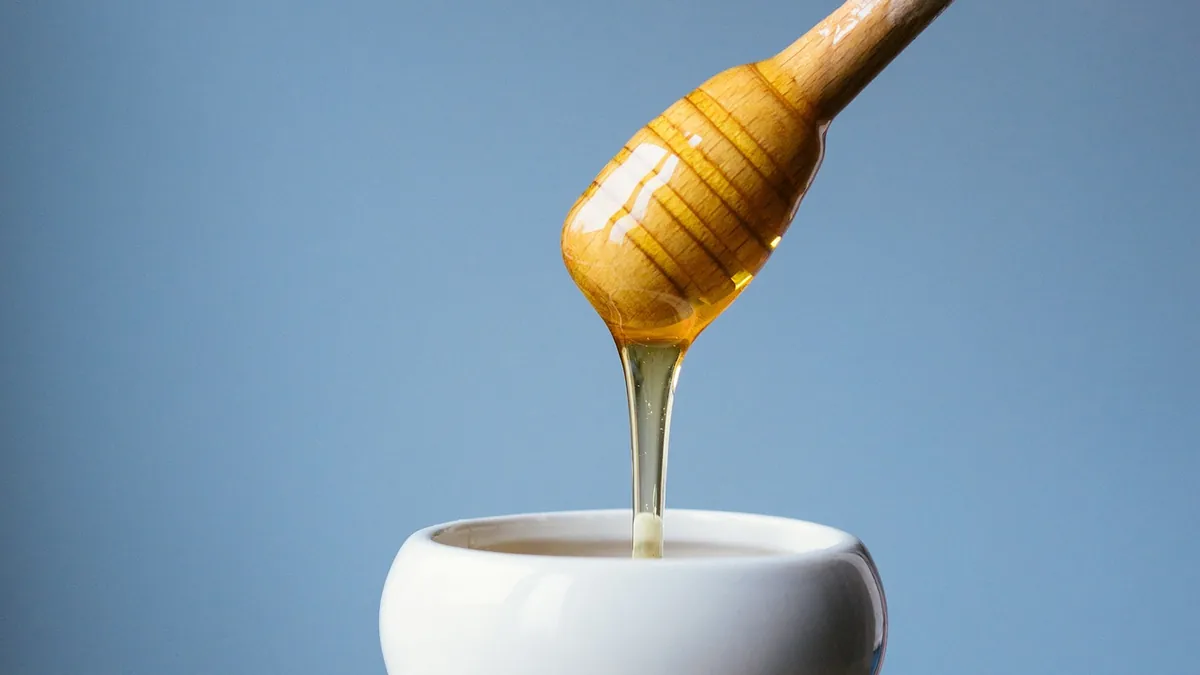
Yes. Honey is made by bees from flower nectar, and bees don't forage on wheat, barley, or rye — those are wind-pollinated grasses that don't produce the kind of nectar bees collect. That holds true even for hives kept near grain fields. Pure honey, on its own, contains no gluten and doesn't need special scrutiny.
The caveats that come up are less about the honey itself and more about what it's mixed with, or where it's processed.
Flavored and Blended Honey
Plain honey is the safe default. Flavored or blended honey products — infused honey, honey butter, honey-flavored sauces and dips — sometimes include added ingredients, and occasionally one of those contains gluten. This is a case where reading the label matters even on something that feels as simple as honey. If you want a specific flavor, adding it to plain honey yourself is a more reliable way to control what's in it than buying a pre-flavored product.
Honey in Other Foods
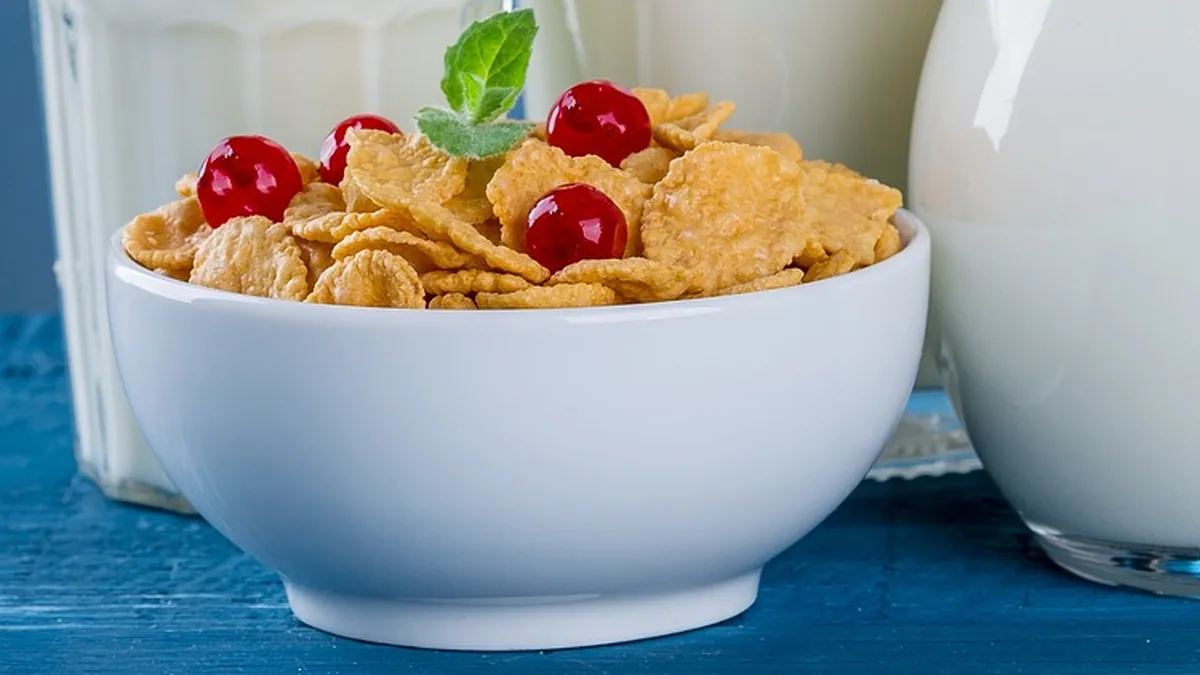
Honey shows up as an ingredient in plenty of places where the honey itself isn't the risk — honey mustard, honey-glazed products, honey-sweetened cereals and granola. In each of these, the gluten risk comes from the other ingredients in the product, not from the honey. Honey mustard, for instance, carries whatever risk mustard itself carries — see our mustard guide for that half of the question.
Cross-Contact During Processing
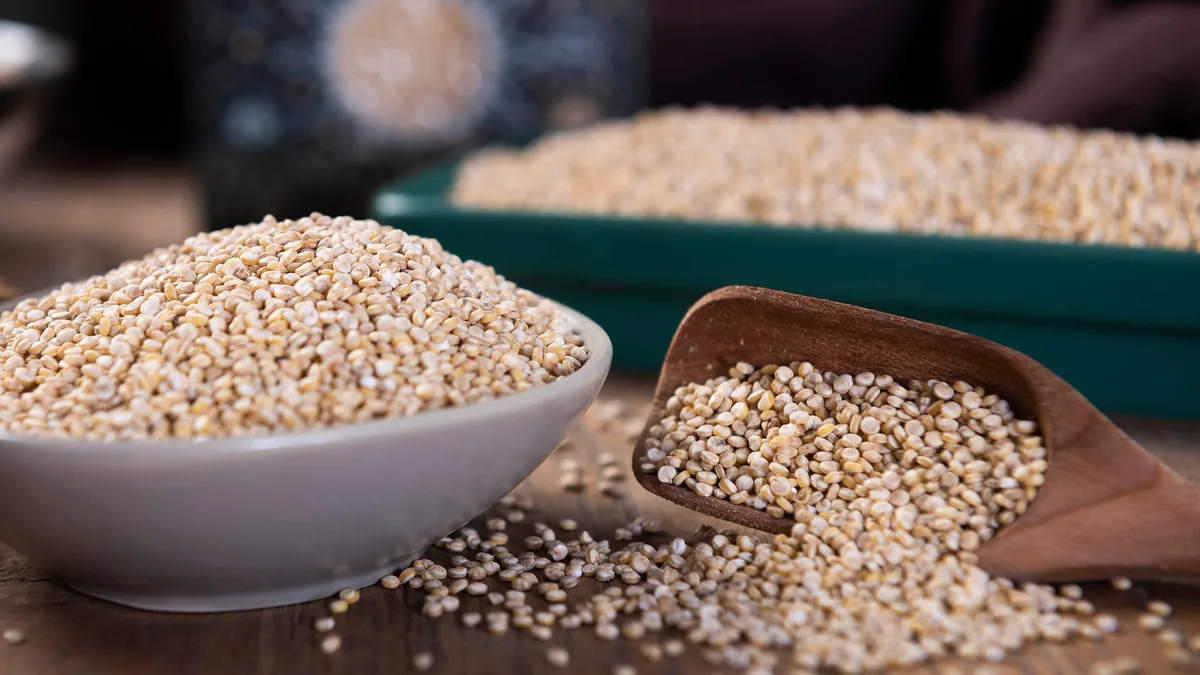
Honey can pick up gluten if it's bottled or packaged in a facility that also handles wheat-based products, though this is a less common risk than with grains like rice or quinoa since honey isn't grown alongside other crops. If you have celiac disease or a significant gluten sensitivity, choosing a honey with a certified gluten-free label removes this as a question entirely.
The Most Common Source of Gluten: Your Own Kitchen
The most likely way gluten actually ends up in a jar of honey has nothing to do with the manufacturer. It's a knife with toast crumbs on it, dipped back into the jar, or a spoon that touched bread before it touched the honey. This applies to any shared condiment jar in a household where not everyone eats gluten-free, and the fix is simple: use a clean utensil every time, and consider keeping a dedicated jar if gluten cross-contact at home is a repeated problem.
Related Articles
Sources
- Celiac.com. Top Brands of Gluten-Free Honey. https://www.celiac.com/celiac-disease/top-brands-of-gluten-free-honey-r5734/ — accessed 21 July 2026
- Gluten Free on a Shoestring. Is Honey Gluten-Free?. https://glutenfreeonashoestring.com/is-honey-gluten-free/ — accessed 21 July 2026
- U.S. Food and Drug Administration. Questions and Answers on the Gluten-Free Food Labeling Final Rule. https://www.fda.gov/food/nutrition-food-labeling-and-critical-foods/questions-and-answers-gluten-free-food-labeling-final-rule — accessed 21 July 2026