Contents
Last reviewed: 2026-07-21
The Short Answer
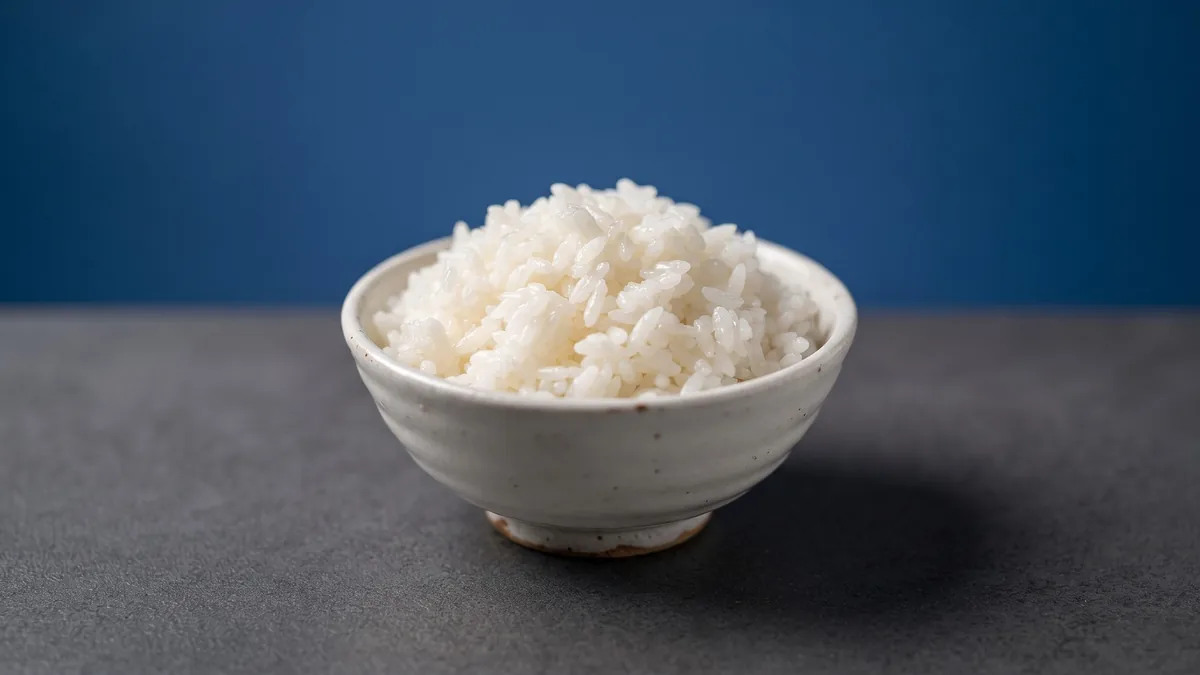
Yes. Rice — white, brown, jasmine, basmati, sushi rice, wild rice — is naturally gluten-free. It isn't related to wheat, barley, or rye, the three grains that contain gluten, and plain rice carries no gluten risk from the grain itself. Rice is one of the most widely used staples in a gluten-free diet, and rice flour is the base of a large share of gluten-free packaged bread, pasta, and baked goods.
That said, there are a few things worth knowing before you assume every rice product or rice dish is automatically safe.
Cross-Contact During Processing
Rice does not contain gluten, but it can pick up traces of it. Gluten-containing grains are often grown in rotation with other crops, moved through the same harvesting equipment, and stored or milled in facilities that also handle wheat, barley, or rye. Any of these steps can introduce small amounts of gluten into a naturally gluten-free grain — a process usually called cross-contact.
Independent testing gives a useful picture of how much this actually affects rice specifically. In one widely cited analysis of naturally gluten-free flours not labeled gluten-free, white rice flour samples measured well under 20 parts per million (ppm) of gluten in most cases, with one sample at 8.5 ppm — low compared to millet or soy flour tested in the same study, some of which measured in the hundreds or thousands of ppm. Twenty ppm is the threshold the FDA and international food standards use to define "gluten-free."
Rice, in other words, tends to test cleaner than several other naturally gluten-free grains, but it isn't immune to contamination. The safest choice is rice and rice flour that carries a certified gluten-free label, particularly for anything milled or processed rather than eaten as a plain cooked grain.
Watch the Dish, Not Just the Grain
Plain cooked rice is safe. The dish it ends up in is a separate question. Rice pilaf is the classic example: the name suggests a simple rice side, but many pilaf recipes are made with orzo, a small pasta shaped like a grain of rice and made from wheat. A dish can be built mostly around rice and still be unsafe because of one non-rice ingredient mixed in.
The same caution applies to rice-based restaurant dishes more broadly — fried rice, rice bowls, and similar dishes may include soy sauce, seasoning packets, or sauces that contain wheat. The rice itself is never the problem; what's added to it is where the risk usually sits. When eating out, it's worth asking specifically about sauces and seasonings rather than assuming a rice dish is safe because rice is the main ingredient.
Arsenic: A Different Kind of Concern
This isn't a gluten issue, but it comes up often enough for people on a gluten-free diet that it belongs here. Rice absorbs arsenic from soil more readily than most other crops, and because rice and rice flour are used so heavily in gluten-free products, people with celiac disease or gluten sensitivity tend to eat more rice than the general population — which means more arsenic exposure over time.
The Celiac Disease Foundation recommends varying grains rather than relying on rice for every meal, choosing lower-arsenic options such as basmati rice grown in India, Pakistan, or California, and cooking rice in extra water that gets drained off afterward, which can reduce arsenic content substantially. This is a long-term dietary consideration, not a reason to avoid rice — it's a reason to not make it the only gluten-free grain in your rotation. Quinoa, buckwheat, and certified gluten-free oats are common ways to diversify.
Fermented Rice Products: Vinegar and Sake
Rice itself is straightforward, but products fermented from rice raise separate questions. Rice vinegar made purely from rice is gluten-free, though some Asian rice vinegars are blended with other ingredients and should be checked on the label — see our vinegar guide for the full picture. Sake follows a similar pattern: premium sake (labeled junmai or similar) is considered gluten-free, while non-premium sake can include additives that aren't always disclosed on the label.
Related Articles
Sources
- Beyond Celiac. Is Rice Gluten-Free?. https://www.beyondceliac.org/gluten-free-diet/is-it-gluten-free/rice/ — accessed 21 July 2026
- Celiac Disease Foundation. Arsenic & the Gluten-Free Diet. https://celiac.org/gluten-free-living/arsenic-and-the-gluten-free-diet/ — accessed 21 July 2026
- Gluten Free Watchdog. Naturally Gluten-Free Grains and Gluten Contamination. https://www.glutenfreewatchdog.org/news/naturally-gluten-free-grains-and-gluten-contamination/ — accessed 21 July 2026
- U.S. Food and Drug Administration. Questions and Answers on the Gluten-Free Food Labeling Final Rule. https://www.fda.gov/food/nutrition-food-labeling-and-critical-foods/questions-and-answers-gluten-free-food-labeling-final-rule — accessed 21 July 2026
- Beyond Celiac. Is Sake Gluten-Free?. https://www.beyondceliac.org/gluten-free-diet/is-it-gluten-free/liquor/sake/ — accessed 21 July 2026