Contents
Is pasta gluten-free?
No, regular pasta is made from wheat. Gluten-free pasta exists and is widely available, but how it's cooked matters as much as what it's made from.
Why regular pasta isn't gluten-free
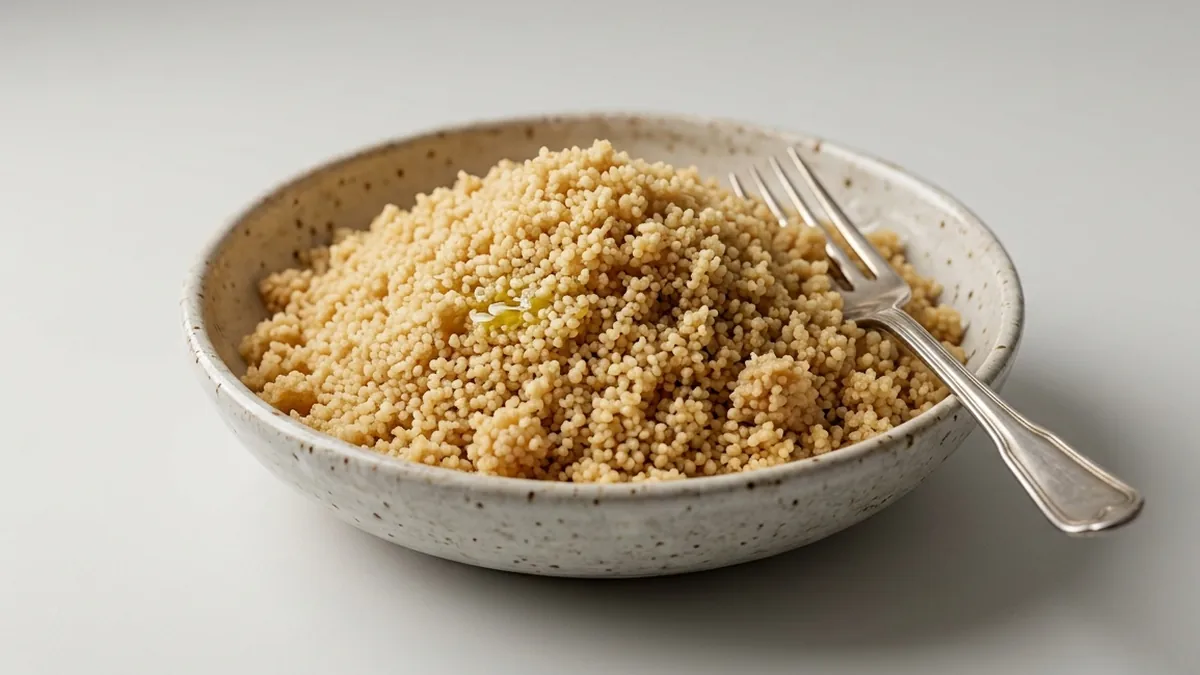
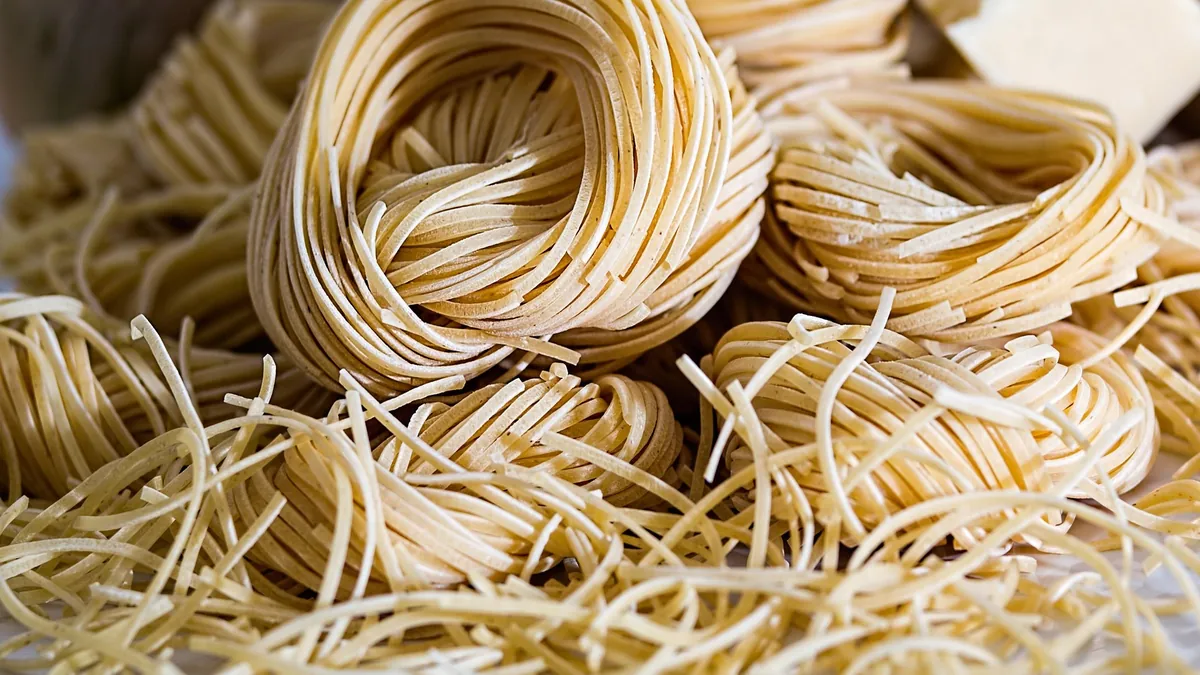
Traditional pasta, dried or fresh, is made from wheat flour or durum wheat semolina — the same semolina used in couscous. There's no processing step that removes the protein, so pasta made this way is unsafe for celiac disease regardless of shape, brand, or country of origin.
Gluten-free pasta is real, but cooking method matters
Pasta made from rice, corn, quinoa, chickpeas, or lentils is genuinely gluten-free as a product. The complication shows up in restaurant kitchens: gluten-free and regular pasta are often boiled in the same pot of shared water to save space and time. Boiling doesn't destroy gluten or "sanitize" the water — gluten is a protein, not a pathogen, and heat doesn't neutralize it.
University of Nebraska researchers tested this directly. When small, home-sized servings of gluten-free pasta were boiled after several batches of regular pasta in the same water, gluten levels stayed under the 20 ppm labeling threshold through all five batches tested. Restaurant-sized servings told a different story: gluten levels climbed with each batch and crossed 20 ppm partway through, reaching close to 40 ppm by the fifth batch. Separate research has found that rinsing pasta under running water after cooking brings gluten levels back down, even after shared-water exposure.
The bigger restaurant picture
This isn't a hypothetical risk. A widely cited study from Columbia University's Celiac Disease Center found that around a third of dishes ordered as gluten-free in US restaurants tested positive for gluten using consumer testing devices, with pasta and pizza showing up as the dishes most likely to have a problem. Restaurants aren't required to follow any specific protocol for gluten-free claims, so practices vary a lot between kitchens.
Practical guidance
At home: cook gluten-free pasta in its own pot with fresh water, and use a clean strainer, not one that just drained wheat pasta. Eating out: ask specifically whether gluten-free pasta is boiled in dedicated water, not just whether gluten-free pasta is available — the two questions get different answers more often than you'd expect.
FAQ
Does boiling pasta in the same water "burn off" the gluten? No. Gluten is a protein, not a contaminant that heat destroys. Shared water carries gluten from regular pasta into whatever else is cooked in it.
Is fresh pasta any different from dried pasta for gluten? No — fresh pasta is still made from wheat flour unless it's specifically made with a gluten-free flour, and the gluten content isn't affected by whether it's fresh or dried.
Sources
- Beyond Celiac, "Cross-Contact"
- Downs et al., "Gluten Cross-Contact in Restaurant-Scale Pasta Cooking," Journal of Food Protection, via Celiac.com and University of Nebraska–Lincoln news
- Risk of Gluten Cross-Contamination Due to Food Handling Practices: A Mini-Review (PMC)
- Columbia University Mailman School of Public Health / Celiac Disease Center, restaurant gluten-free food testing study